


Trucking Accident Claims vs. Car Accident Claims: Key Differences
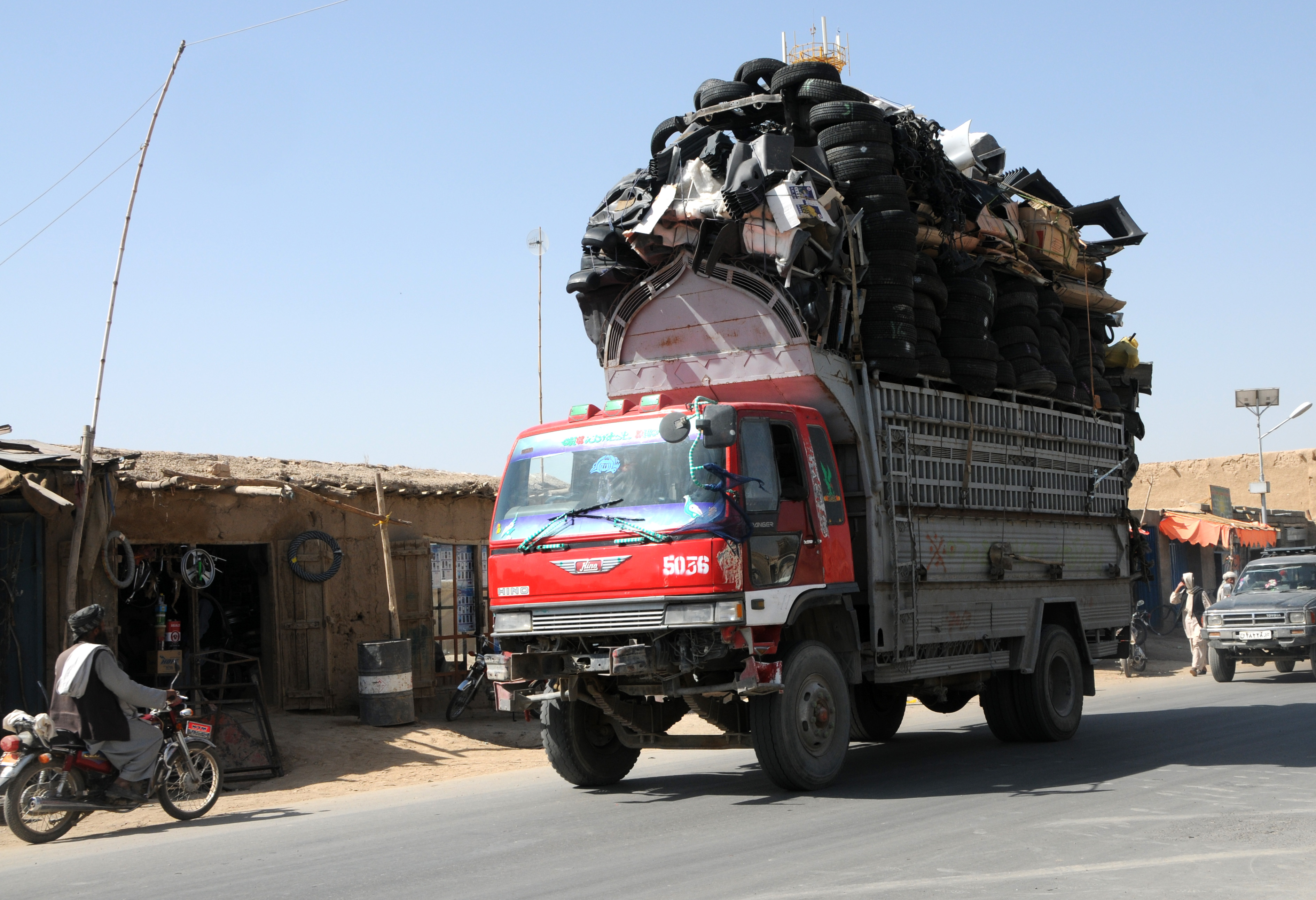
Understanding the key differences between trucking accident claims and car accident claims can be confusing. Human error causes the vast majority of motor vehicle crashes, including driver behavior, distraction, fatigue, alcohol or drug impairment, inexperience, and poor judgment. However, collisions involving commercial vehicles are typically more complex than crashes between cars for several reasons.
Treating a trucking collision as merely a big automobile accident could lead to severely undervalued insurance settlements and a failure to hold all responsible parties accountable. So, continue reading as the skilled personal injury attorneys at Charles E. Boyk Law Offices guide you through the fundamental differences between these two types of accident claims. We explain the major distinctions to help you fully understand your legal options.
Commercial Vehicle Accidents Can Involve Multiple Liable Parties
In a typical Ohio automobile collision, liability is generally limited to the drivers. This principle also applies to commercial truck drivers, but courts may also hold them personally liable for negligent actions that led to the accident, such as speeding or distracted driving.
Unlike passenger vehicle cases, several entities may share responsibility in a commercial vehicle crash claim, including the trucking company. The business may be liable for negligent hiring and training practices or for pressuring drivers to skip rest breaks in order to meet delivery deadlines. Cargo loaders may contribute to some trucking collisions, particularly when they improperly secure or overload cargo, causing the commercial vehicle to tip or lose control. A claim may also include maintenance contractors and manufacturers if they are responsible for a mechanical failure caused by skipped inspections, faulty repairs, or a defective part, such as a tire or brake system, that caused the crash, as well as your resulting damages and injuries.
Semi-Truck Companies Have Higher Insurance Policy Limits Than Car Drivers
Ohio passenger vehicles typically carry modest liability limits. Even a minor auto crash could easily exceed the state-mandated limits of $25,000 per person for bodily injury, $50,000 per accident, and $25,000 for property damage. You may be personally liable for any damages that exceed these amounts.
In contrast, federal law and the state’s Public Utilities Commission mandate much higher policy limits for trucks than cars, including a minimum of $750,000 in general freight coverage. If the vehicle transports hazardous materials, the required coverage could exceed $1 million. However, while higher insurance policy limits offer greater potential compensation, they also lead to more aggressive defense tactics by the commercial vehicle’s insurance company and its rapid-response legal teams.
Trucking Companies Must Follow Strict Federal and State Regulations
The Federal Motor Carrier Safety Administration (FMCSA) governs semitruck claims, which do not apply to drivers of passenger vehicles. We can use violations of these rules, such as hours-of-service infractions, to establish negligence. Federal law strictly limits how long commercial vehicle drivers may operate a truck without sleep to prevent exhaustion behind the wheel. Driver fatigue is a factor in a large percentage of wrecks, with nearly half of commercial vehicle operators in the past year admitting to falling asleep or drifting off while driving.
In 2026, the FMCSA shifted from education to strict enforcement of electronic logging device regulations that track these hours to prevent log falsification. These mandates now include a zero-tolerance policy on technical failures and non-compliant hardware. The agency also requires the semitruck company to retain records, including inspection schedules, repair documentation, and annual inspection reports, for one year while the vehicle is in service and for six months after it leaves the carrier’s control.
A Claim Can Include a Truck’s Technical Evidence
Proving a commercial vehicle claim requires specialized data that is rarely relevant in a car crash case. Most commercial trucks have an event data recorder, similar to the black box in a plane, that records the vehicle’s technical performance and driver inputs for a few seconds before, during, and after an accident. It captures data such as speed, braking, steering, seat belt usage, and engine RPMs, which can help reconstruct the accident and conduct a safety analysis in an accident claim.
The FMCSA and the Department of Transportation also require trucking companies to maintain driver qualification files for every commercial motor vehicle operator they employ or contract. The company must establish these files within 30 days of hiring and keep them for the duration of employment plus an additional three years. The file must include the operator’s employment history, drug test results, and medical certifications. This information could play a crucial role in your collision claim by proving whether the driver met federal regulations for qualification, training, and legal operation of the vehicle. These files may also help establish negligence by highlighting:
- Missing documentation
- Expired licenses
- Poor driving records
- Failed medical or drug tests
Load manifests are another piece of evidence we use to bolster your trucking accident claim. We will examine this document alongside the bill of lading, as it provides objective evidence of the commercial truck’s weight, cargo type, and loading. This evidence helps establish liability by revealing whether a commercial vehicle was overloaded or improperly loaded, whether safety violations occurred, and whether cargo loaders contributed to the crash.
How Can Commercial Vehicle Wrecks Cause More Severe Injuries?
Collisions with a commercial truck are more likely to result in catastrophic injuries than a typical car accident. While 66 percent of automobile wreck injuries often involve soft tissue damage, such as strains and sprains, commercial vehicle crashes frequently produce crush injuries due to the height of the truck and the potential for underride collisions. From spinal cord damage and traumatic brain injuries to disfigurement or death, an accident with a semitruck may affect you and your family permanently.
Occupants of a passenger vehicle absorb the majority of the energy in a semitruck wreck, leading to higher rates of limb amputations, organ damage, and multiple fractures. Third-degree burns are also common, particularly when the commercial vehicle is carrying hazardous materials or when fuel spills ignite.
If you suffer a life-threatening injury caused by the sheer mass of a commercial truck and require long-term care, you should expect to receive a significant amount of medical bills. This debt can be stressful, but we will advocate for a higher settlement amount that fully compensates you for your losses. We will work hard to recover your extensive medical expenses, lost earning capacity, and long-term suffering as a direct result of this increased severity.
Legal Timelines and Compensation Vary in Trucking vs. Car Crash Claims
It is clear that commercial vehicle claims involve unique legal and procedural hurdles that standard automobile crash claims do not. Typical car accidents may settle within just months. In contrast, semitruck wreck claims often take one to three years to resolve, largely due to complex liability involving multiple parties and the need for extensive investigations into violations of federal regulations. The nature of your injuries may also extend the timeframe for settlement, as severe cases often require long-term medical assessments. Aggressive strategies from truckers’ high-stakes insurance companies may further prolong a lawsuit.
A fully loaded tractor-trailer can weigh as much as 80,000 pounds, whereas a passenger car usually weighs around 3,000 to 4,000 pounds. This massive weight disparity makes injuries far more likely to be catastrophic, leading to higher settlement values to cover long-term care and lost earning capacity.
We have secured compensation for many clients who suffered economic damages, including past and future medical bills, lost wages, and diminished earning capacity, as well as non-economic damages such as pain and suffering, emotional distress, and loss of quality of life. If the accident resulted in a fatality, which occurs at a 70 percent higher rate in commercial vehicle collisions than in passenger car wrecks, you may also file a wrongful death claim.
Call Us If You Have Any More Questions About The Differences Between Truck and Auto Collision Claims
There are several key differences between trucking and car accident claims, stemming from the complexity of liability and the higher financial stakes involved. That is why it is so important to have a trusted legal advocate representing your interests. Our founder has practiced law since 1983 and has earned a “Superb” rating on Avvo’s lawyer rating system.
If you were involved in a truck or automobile wreck, reach out to the proactive attorneys at Charles E. Boyk Law Offices for guidance. We have offices across the state of Ohio to better serve our community. Our team of attorneys has strong negotiation and trial skills that can help you obtain the maximum compensation in your case, as demonstrated by our securing a $225,000 settlement for a client after a commercial vehicle struck them in 2020. Schedule a free, confidential consultation with us and benefit from our No Fee Promise. We will never bill you for our services unless we win.

