


Alan Konop: Reflections from the Courtroom by Mike Bruno
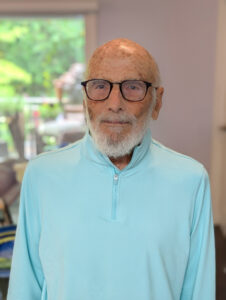 Alan Konop, age 9, was crushed as his father drove home to Port Huron from Detroit. Alan cried the entire trip. His beloved Detroit Tigers, with ace Hal Newhouser on the mound, had just lost 9-0 to the Chicago Cubs in Game 1 of the 1945 World Series.
It would not be Alan’s only taste of disappointment in life. After all, he became a criminal defense lawyer, where the odds (and facts) are often stacked against you. But Alan Konop was not deterred by early disappointments. He persevered and became one of Toledo’s best trial lawyers.
Alan was an only child. His mother was a homemaker. His father owned a women’s clothing store. Alan recalls putting price tags on new clothing inventory. Other jobs included laying blacktop for the road commission and a stint as a shoe salesman.
After graduating from high school, it was on to the University of Michigan, where Alan was a history major.
I asked Alan if it was his lifelong dream to become a lawyer. Not exactly. The law eventually appealed to him.
In 1958, Alan Konop received his Bachelor’s degree from the University of Michigan.
He didn’t slow down, take a gap year, or backpack through Europe. Instead, he was accepted to the University of Michigan Law School, got married, got a job, and started a family.
It was the 1950s.
It didn’t take Alan long to realize there weren’t enough hours in the day to be successful as a husband, father, law student, and employee. So, he had a talk with the Dean of the law school. Upon assessing Alan’s predicament, the Dean suggested that Alan transfer to the University of Toledo, College of Law, a night law school which allowed Alan to work during the day. A win-win solution.
So began Alan Konop’s arrival in Toledo, working for the Lucas County Welfare Dept during the day, attending night classes at UT Law and playing husband and father in his spare time.
After graduating from law school in 1963, Alan passed the Ohio Bar and joined Manny Ganch in practice. Although criminal law was his primary interest, he initially took on all kinds of matters.
Since I have known Alan only as a skilled trial lawyer, I asked him about his early years, especially how he learned to try cases.
He recalled a particular trial before Judge Geraldine Macelwane; she was the first woman judge on the Lucas
County Common Pleas bench. It was a criminal trial, and the prosecutor was questioning a witness. Alan believed the questions to be highly improper, but he remained glued to his seat. Sensing his discomfort, Judge Macelwane called Alan to the bench and said: “Alan, don’t be afraid to object.”
Another trial ended badly. The client was found guilty. After hearing the verdict, Alan put his head down only to feel a hand on his shoulder. It was his client, imploring him not to feel bad. He went on: “You’re the first person who’s ever listened to me.”
Over the years, Alan practiced mainly in criminal defense, handling a few personal injury cases and civil rights matters.
He mentioned quite a few other lawyers he associated with over the years: Bill Kroncke, Mike D’Arcangelo, Bill Skow, Joe Weisberg, Marty Dow and Don Cameron.
Alan turned 90 in June. He came in wearing a University of Michigan baseball cap. At that particular school, it was a given that football players received special treatment. His astronomy professor, pointing to three empty seats in the lecture hall, put it this
way: “While you’re having coffee dates and having fun, these guys are working hard for the team.”
I asked him what occupies his time these days. He quickly replied, “I do what my wife (Barbara) tells me to do.”
Alan Konop’s Cardinal Rules for Trial
1. Don’t ask too many questions.
2. Less is better.

